Description
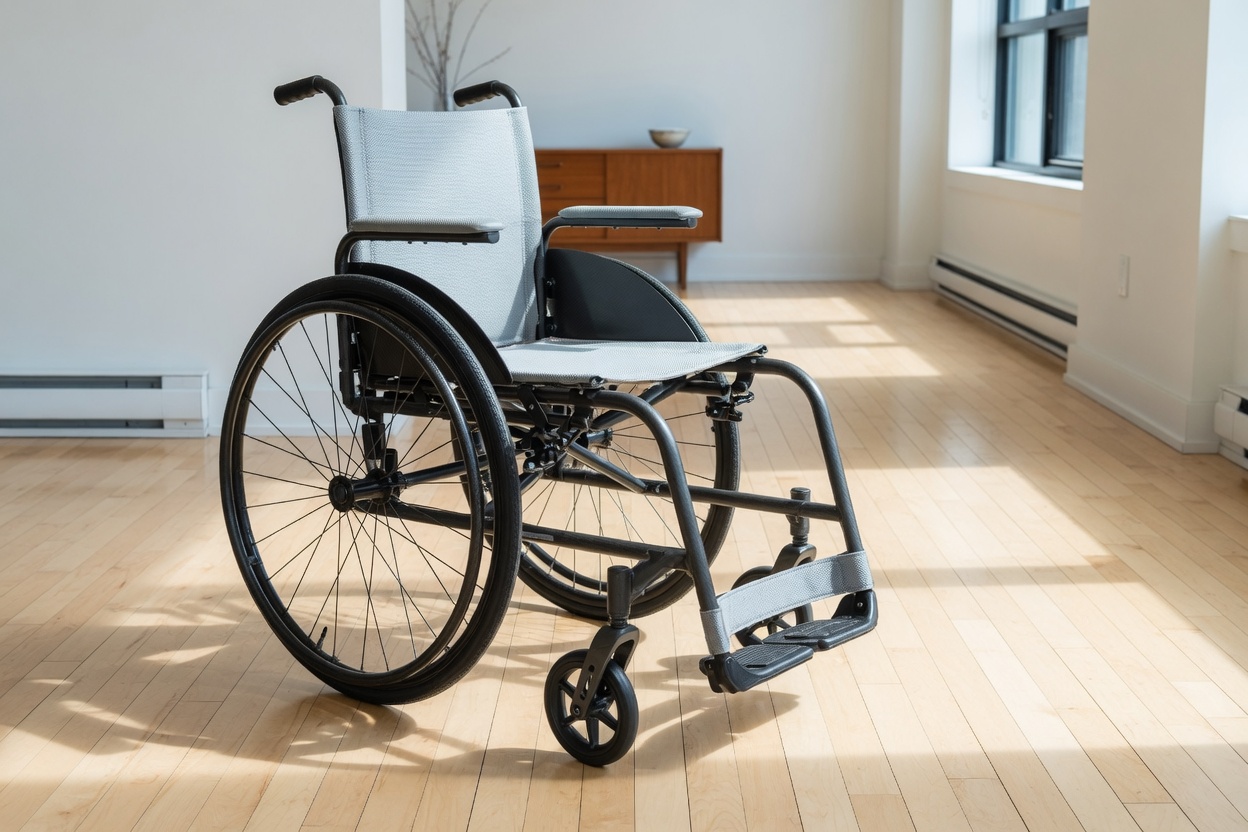
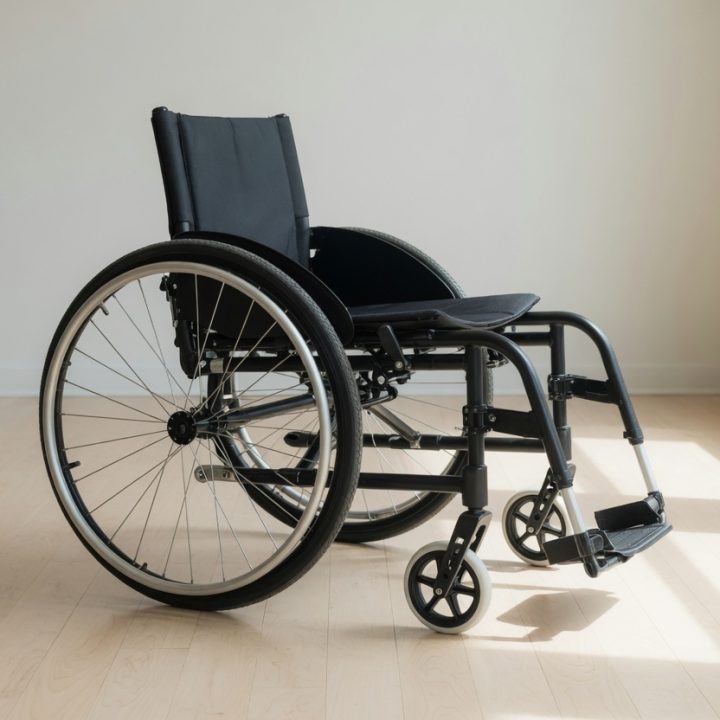
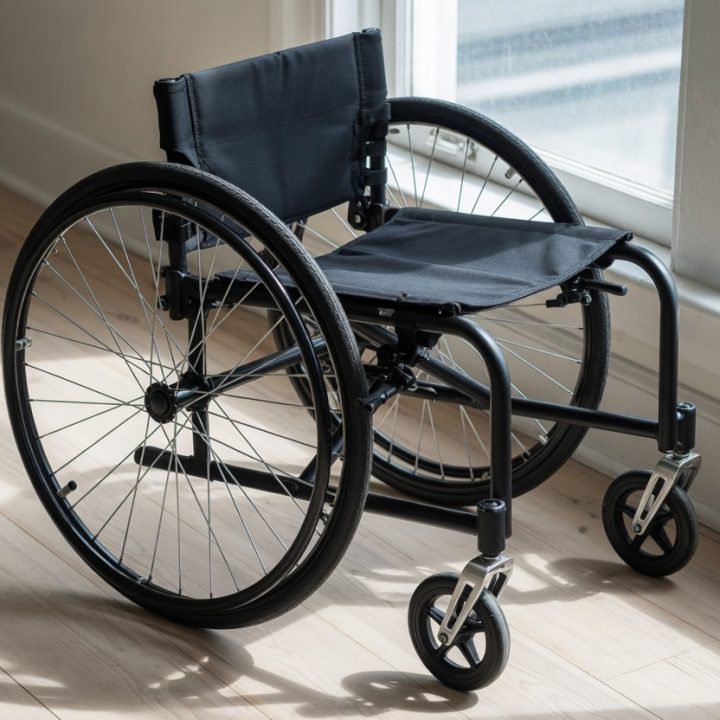
The Quickie 2 is the folding ultralight most Canadian seating teams already know how to order. The frame is 7000-series aluminum. Seat width, depth, front and rear seat height, caster size, rear wheel, and backrest are chosen on a long order form, which is the point: the chair can change when the person or the house changes.
Sunrise publishes a 300 lb user weight capacity on the standard Quickie 2 and 350 lb on the Heavy Duty. That is the rider limit they state, and options still change the chair’s own weight. A rigid Nitrum or QRi is lighter to push for some people and worse in a small trunk. We quote the Quickie 2 against the current Canadian order form, including the Heavy Duty frame when the weight calls for it.
| Type | Folding ultralight manual |
|---|
| Frame | 7000-series aluminum |
|---|
| User weight capacity | 300 lb (136 kg); Heavy Duty 350 lb (159 kg) |
|---|
| Configuration | Made to measure: seat size, height, casters, wheels, back, arms, hangers |
|---|
| Best for | Full-time or daily self-propelling, and a chair that still folds |
|---|
Capacities published by Sunrise Medical Canada for the Quickie 2 and Quickie 2 Heavy Duty. Options change the chair weight. We order from the current form.
Manufacturer page for this model
Folding ultralights still have a cross-brace. If someone transfers by sliding sideways, ask for the arm and clothing-guard setup that actually gets out of the way.
A wheelchair has to match the person. Weight capacity includes the rider and anything carried on the chair. Complex rehab chairs should be sized with an occupational therapist or seating clinician. Figures on this page come from the manufacturer’s published materials and can change. The order form for your configuration is the one we follow.
Configured chairs are built after you approve the quote. Once a manufacturer has started a made-to-measure frame, that build usually cannot be cancelled. Boxed retail chairs are different, and we say so on the quote.